Who Were the Kipchaks? The Origins of the Name and the People
The Russians called them Polovtsians, the Byzantines Cumans, the Hungarians Kun. Where did the steppe people behind these names come from, and what did "Kipchak" mean?
Work · 1072–1077
Other names: Divanü Lügati't-Türk, Divanü Lügati’t-Türk, Divan-ü Lugati’t-Türk, Divânu Lugâti't-Türk, Compendium of the Languages of the Turks
The Turkic–Arabic dictionary written by Mahmud al-Kashgari in the 1070s; it gives examples from the Kipchak dialect.
In his work Mahmud al-Kashgari counts the Qifchaq among the Turkic tribes and compares words of the Kipchak dialect with Oghuz and other dialects.
The Russians called them Polovtsians, the Byzantines Cumans, the Hungarians Kun. Where did the steppe people behind these names come from, and what did "Kipchak" mean?
Like other Turks, the Kipchaks had adopted Tengrism, the belief in the Sky God. The Sky God belief was not only the first belief of the Turks but also their most widespread belief before their conversion to Islam. Besides the worship of Tengri, animism and totemism form the main outlines of this belief…
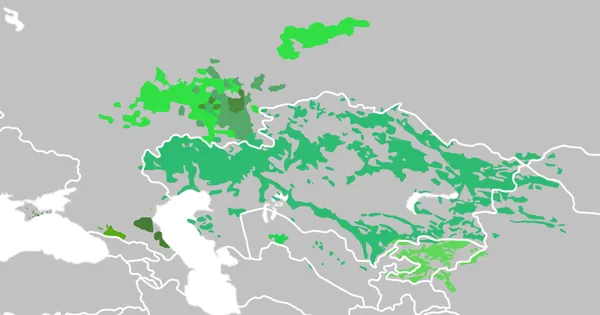
Kipchak Turkic is an important branch of the Turkic languages. Kipchak Turkic is divided into groups within itself. About 30 million people speak one of the languages belonging to the Kipchak language group. The regions where Kipchak Turkic is spoken are, above all, Europe, Northern and Central Asia, the Caucasus, Siberia and Crimea…
A manuscript kept in Venice is the richest surviving witness to the Cuman language spoken on the Black Sea coast seven hundred years ago.