Kipchak Turks Research Centre

The forgotten horsemen of the steppe

The Rus called them Polovtsians, the Byzantines Cumans, the Hungarians Kun; they called themselves Kipchaks. We follow, source by source, the trail of a people that stretched from the Desht-i Kipchak to the Atabeg Yurt, from Hungary to Egypt.

Publications
64
Footnotes
333
Knowledge entries
195
Reads
116

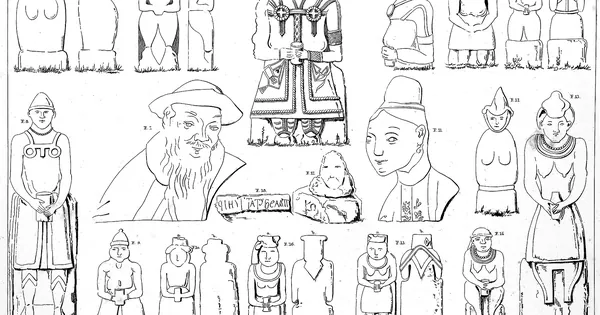
3D: Kipchak (Polovtsian) stone statue, Kraków Archaeological Museum, MAK/7911 · CC0

Historical flow

From the steppe to the world: a thirteen-century journey

From a single word in an inscription to tens of millions of speakers… Follow the story of the Kipchaks period by period as you scroll down. From each period you can jump to the map, the Knowledge Base and a related article.

  1. Period 1: 8th–11th century

    Origins

    The name Kipchak first appears in a Uyghur inscription on the Mongolian steppe. The western wing of the tribal union formed with the Kimeks along the Irtysh gradually becomes the union's main force.

  2. Period 2: 1050–1100

    March to the west

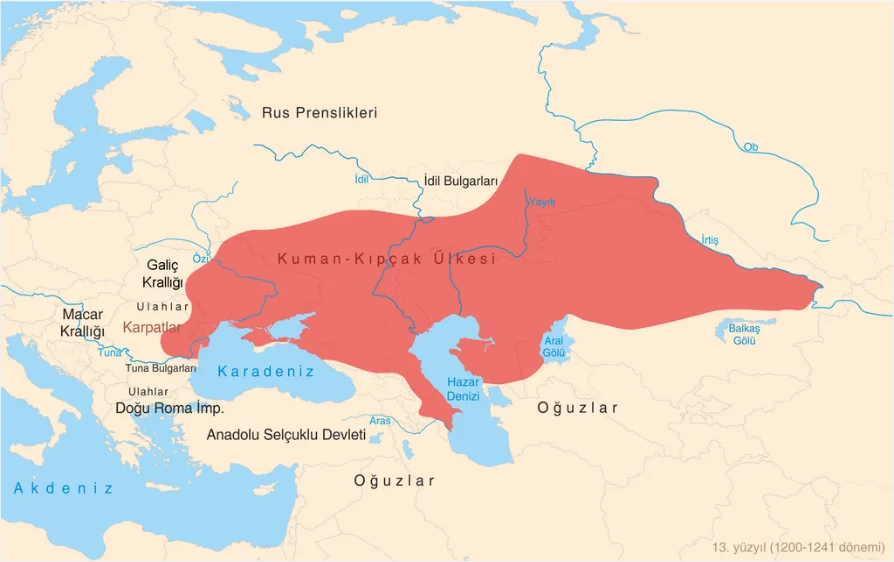
    Driving the Oghuz and the Pechenegs before them, the Kipchak tribes cross the Volga and settle the pastures north of the Black Sea. The Rus call them Polovtsians, the Byzantines Cumans.

  3. Period 3: 1100–1220

    Golden age: Desht-i Kipchak

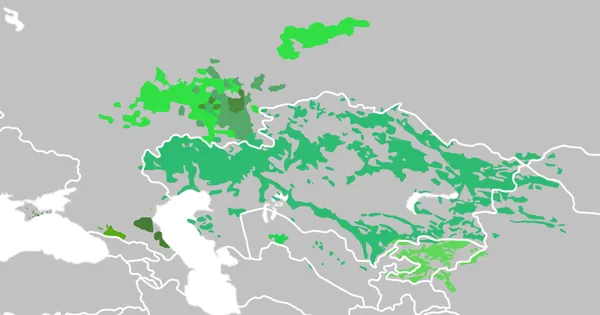
    The steppe from the Danube to the Irtysh becomes known in Persian sources as Desht-i Kipchak, “the Kipchak steppe”. Stone statues for the ancestors are raised on the kurgans; war and marriage with Kievan Rus are intertwined.

  4. Period 4: 1118–1578

    Georgia and the Atabeg Yurt

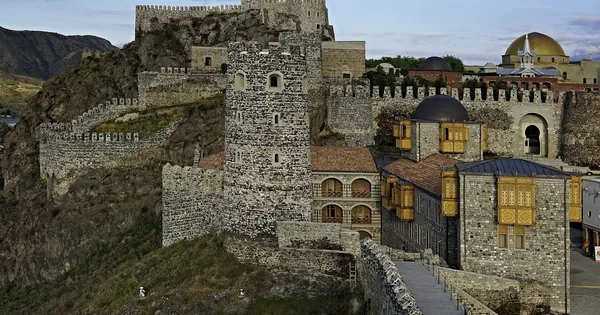
    At the invitation of King David IV, Atrak Khan's Kipchaks come down to the Caucasus. In later centuries the Kipchak Atabeg Yurt, centred on Akhaltsikhe, arises along the Kura and Çoruh rivers.

  5. Period 5: 1223–1242

    The Mongol storm

    Twenty years after the first encounter on the Kalka, Batu's army takes the steppe. The Kipchak confederation breaks up; some flee west, while those who remain become the people of the new Mongol ulus.

  6. Period 6: 13th–16th century

    Distant homelands

    Scattered by migration and the slave markets, the Kipchaks leave their mark in other lands: the Cumans (Kun) in Hungary, the Mamluk sultans in Egypt, the Slave dynasty in Delhi.

  7. Period 7: 1242–1783

    The age of the khanates

    On the steppe the Mongol ruling class gradually becomes Kipchak; the language and people of the Ulus of Jochi are Kipchak. When the ulus breaks up, the khanates that replace it form the core of today's Kipchak peoples.

  8. Period 8: 19th–20th century

    Exiles and migrations

    Russian expansion, wars and deportations set off great waves of migration from Crimea, the Caucasus and Turkestan. The refugees found new villages and neighbourhoods in Anatolia.

  9. Period 9: 21st century

    Today

    The languages from Kazakh to Crimean Tatar and from Kumyk to Karachay-Balkar belong to the Kipchak group. In Türkiye dozens of communities keep this heritage alive.

Research library

All
  1. ArticlePolitical History
    The Bulgarophilia of the Cumans in the Times of the First Asenids of Bulgaria
    Konstantin Golev (2018). Zolotoordynskoe obozrenie = Golden Horde Review, 6(3), 452–471.
  2. ArticleThe Kipchak World
    Cumans in the Latin Empire of Constantinople
    Aleksandar Uzelac (2019). Zolotoordynskoe obozrenie = Golden Horde Review, 7(1), 8–21.
  3. ArticlePolitical History
    The Competition for Cumania between Hungary and Bulgaria (1211–1247)
    Alexandru Madgearu (2022). Studia Ceranea, 12, 699–723.
  4. ThesisCulture and Belief
    Kipchak Traces in Rize
    Ayşe Ayçiçek (2015). Master's thesis, Ondokuz Mayıs Üniversitesi, Sosyal Bilimler Enstitüsü, Tarih Anabilim Dalı.
  5. ThesisLanguage and Literature
    Fixed Expressions in Mamluk Kipchak Turkic
    Najıbullah Bıgzad (2019). Master's thesis, Ondokuz Mayıs Üniversitesi, Sosyal Bilimler Enstitüsü, Türk Dili ve Edebiyatı Anabilim Dalı.
  6. ThesisOrigins and Identity
    A study of Kipchak clans and tribes
    Haşim Özel (2017). Master's thesis, Ege Üniversitesi, Sosyal Bilimler Enstitüsü.

Worth reading

All publications
The Kipchak World

Cuman-Kipchak Traces in Wallachia and Moldavia

From the eleventh century until the Mongol invasion, the Wallachian plain and southern Moldavia were called “Cumania” in Latin sources. Drawing on the documents of the Milcov bishopric, the Turkic name of the Basarab dynasty, place names and archaeological finds, this article sets out the Cuman legacy of these lands as far as the sources show it.
Kıpçaklar Yayın Kurulu 11 min 2

The Kipchaks at a glance

759

The phrase “türük kıbçak” on the Shine Usu inscription is one of the earliest known records of the Kipchak name.

1118

King David IV of Georgia invited Atrak Khan's Kipchaks; tens of thousands of families settled in the Caucasus.

1267–1578

Along the Kura and Çoruh rivers the Kipchak Atabeg Yurt, centred on Akhaltsikhe, endured for centuries.

10+ languages

Kazakh, Tatar, Crimean Tatar, Kumyk, Nogai… today belong to the Kipchak group.

A journey through time

Full timeline
  1. 759–760The Şine Usu Inscription

    The expression "Türk Kıbçak" in the inscription erected in the name of the Uyghur khagan Moyun Chor is regard…

  2. 1050sArrival in the Black Sea steppes

    Driving the Oghuz and the Pechenegs before them, the Kipchaks cross the Volga. In 1055 the Rus' chronicles me…

  3. 1070sDīwān Lughāt al-Turk

    In his dictionary, Mahmud al-Kashgari counts the Qifchaq among the Turkic tribes and gives examples of their…

  4. 1111Monomakh's steppe campaign

    The Rus' army led by Vladimir Monomakh inflicts a heavy defeat on the Kipchaks near the Salnitsa; the sons of…

  5. 12 August 1121The Battle of Didgori

    Davit's army routs the great Seljuk coalition led by Ilghazi at Didgori. The role of the Kipchak units in the…

  6. After 1125The wormwood herb

    After Davit's death, Atrak is said to have returned to the steppe. According to the tale in the Galician–Volh…

  7. 31 May 1223The Battle of the Kalka

    The Mongol reconnaissance army under Jebe and Subutai defeats the Kipchak and Rus' forces on the banks of the…

  8. 1239Köten Khan goes to Hungary

    Köten Khan crosses the Carpathians with his people; King Béla IV admits the Cumans on condition that they bec…

  9. 1250The Mamluk Sultanate

    In Egypt, the Bahri mamluks, most of them of Kipchak origin, seize power.

  10. 1267–1268The Atabeg Yurt is born

    Sargis Jaqeli, ruler of Samtskhe (Akhaltsikhe/Ahıska), takes advantage of Mongol rule to attach himself direc…

  11. 1303Codex Cumanicus

    The date at the beginning of the Latin–Persian–Cuman glossary section. The compilation is one of the richest…

  12. 1391Gulistan bi't-Turki

    Sayf-i Sarayi translates Saadi's Gulistan into Kipchak Turkic in Mamluk Egypt.

  13. c. 1465The Kazakh Khanate

    The khans Janibek and Kerey break away from Abu'l-Khayr Khan and found the Kazakh Khanate; the Kipchak tribe…

  14. 9 August 1578The Battle of Çıldır and the Eyalet of Childir

    After the Battle of Çıldır, won by Lala Mustafa Pasha against the Safavids, the Atabeg Yurt becomes the Ottom…

  15. 1747The Nakhchivan Khanate

    After the death of Nader Shah, a khanate ruled by the Kangarli dynasty is founded in Nakhchivan; it is annexe…

  16. 1783The annexation of Crimea and the migrations

    Russia annexes the Crimean Khanate. In the following century hundreds of thousands of Crimean Tatars and Noga…

  17. 1829Akhaltsikhe passes to Russia

    Under the Treaty of Edirne (Adrianople), Akhaltsikhe (Ahıska) and its surroundings are ceded to Russia; the c…

  18. 29 October 1923The Republic of Turkey

    The proclamation of the Republic. The homeland of the communities of Kipchak origin settled in Anatolia and o…

  19. 1952–1954Kazakhs in Turkey

    Kazakh migrants who reached Kashmir from East Turkestan across the Himalayas are admitted to Turkey; they set…

  20. 1991Independence

    With the dissolution of the Soviet Union, Kyrgyzstan (31 August) and Kazakhstan (16 December) declare indepen…

  21. TodayThe Kipchak languages live on

    A large language family, including Kazakh, Tatar, Bashkir, Crimean Tatar, Karachay-Balkar, Kumyk, Nogai, Kara…

Most read

  1. 1
  2. 2
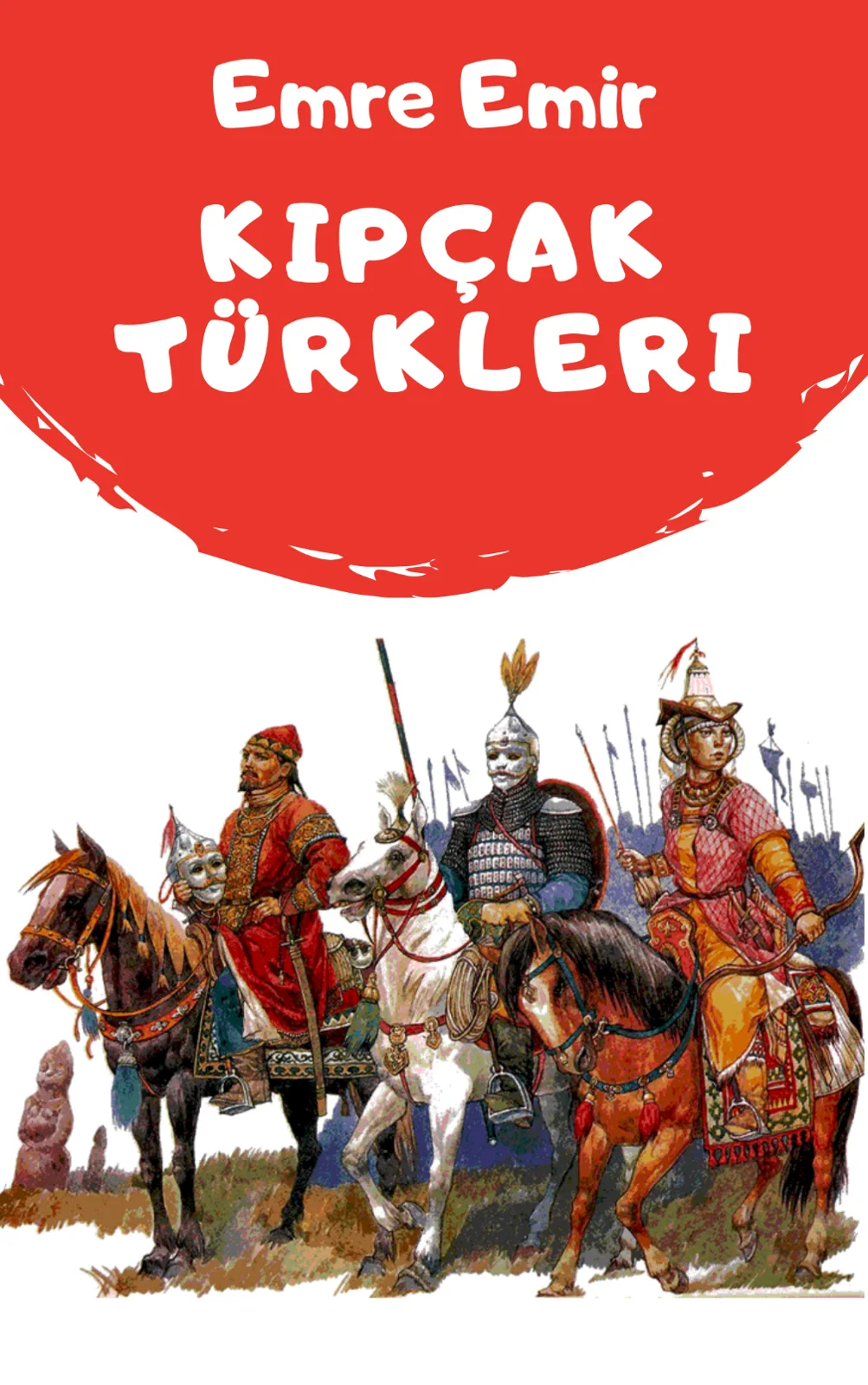
    A Brief History of the Kipchaks Emre Emir · 6 reads
  3. 3
  4. 4
  5. 5

Topics

@kipcaklarr

Kipchak history in your feed every day

Follow our Instagram page for short stories, maps and animated videos.

Follow