Place

Ardahan

Other names: Artaani, Ardagan, upper Kura, Kür boyu

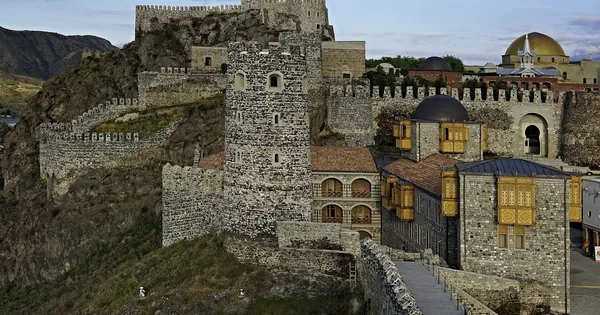
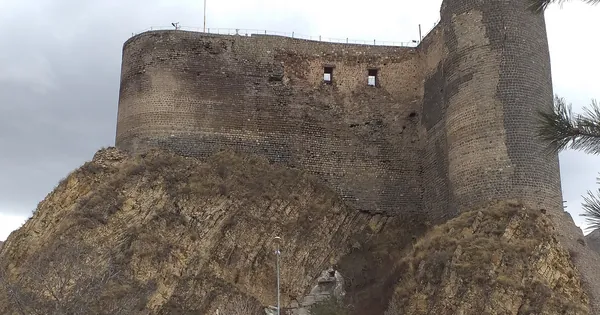
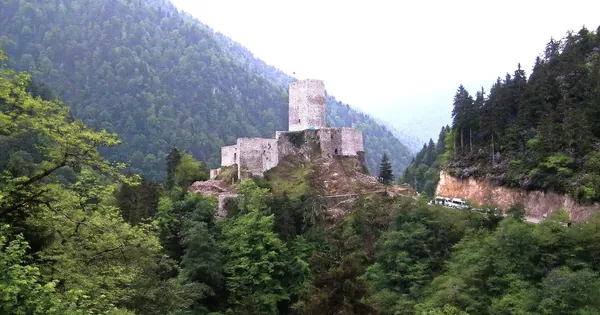
A town built on a high plateau on the upper course of the Kura River. In the Middle Ages it lay within the territory of the Georgian kingdom and then of the Samtskhe Atabegate; after 1578 it was attached to the Ottoman Eyalet of Childir.

Atabeg Yurt From the Samtskhe Atabegate to the Ottoman Eyalet of Childir: periods, rulers, map and sources

Open on the live map

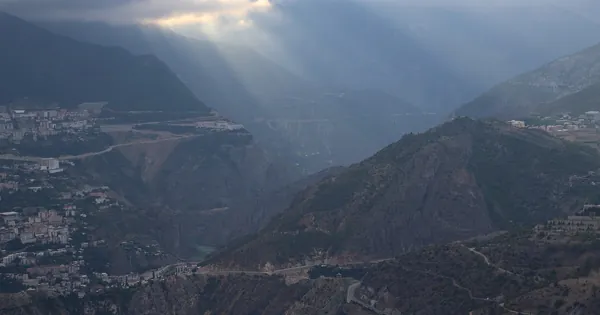
With its location near the source region of the Kura, Ardahan controls the passage routes between the Caucasus and Eastern Anatolia. In medieval Georgian sources it appears under the name Artaani.

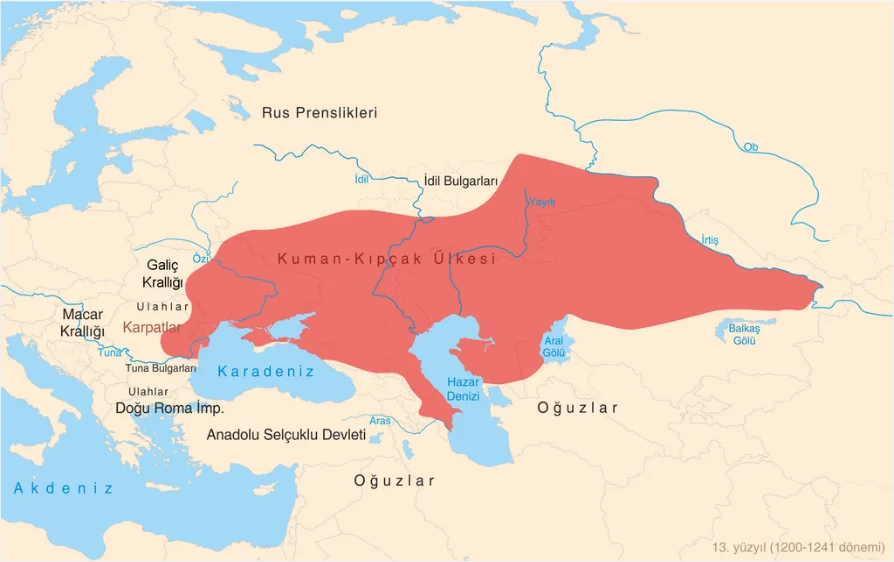
In Turkish historiography the area is regarded as one of the main areas of Kipchak settlement along the Kura. It has been claimed that some village and clan names in the Ardahan area are of Kipchak origin; some of these etymologies are debated.

Sources

  • M. Fahrettin Kırzıoğlu, Yukarı-Kür ve Çoruh Boylarında Kıpçaklar, Ankara 1992
  • TDV İslâm Ansiklopedisi, "Ardahan" maddesi

Nearby entries

Publications mentioning “Ardahan”

Origins and Identity

On the Çortan/Çorton/Curtan/Cordan/Yortan/Yordan Tribe of the Kipchaks

The article traces the settlement, from the Altai to Anatolia, of the Çortan tribe (Cordan/Curtan; Yortan/Yordan in Oghuz speech), one of the tribes of the Western Dasht-i Kipchak. It argues that the name means 'pike (fish)' in Cuman and many Turkic languages, that the tribe may be a remnant of the Kimeks, and that among the Kipchaks brought to Georgia by David II…

Mehmet Kıldıroğlu 2 min
The Kipchak World

Oghuz and Kipchak Settlement in the Eastern Black Sea in the Middle Ages

The article discusses medieval Oghuz and Kipchak settlement in the Eastern Black Sea section (Artvin–Samsun) through ancient sources, the Seljuk–Danishmendid period, the Kipchaks who came via Georgia, migrations after the Mongol invasion, and place names and dialects. That the Christian population of the region was not solely of Greek origin…

Mehmet Özmenli 2016 2 min