Community · 1239

Cumans of Hungary (Kuns) — overview

Other names: Kunok, Kuns, Hungarian Cumans, Kunlar, Kumanlar

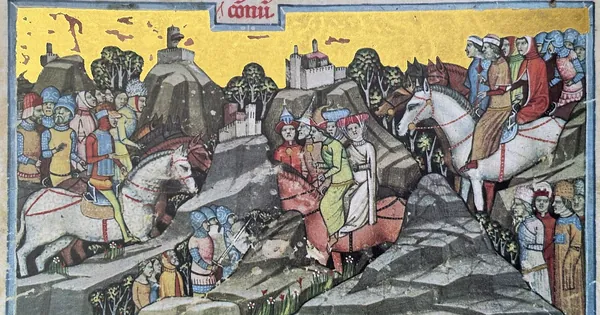
The Cumans led by Köten Khan settled in Hungary in 1239, and a second wave c. 1246. Over time they merged into Hungarian society; the region where their descendants are concentrated is Nagykunság and Kiskunság (Kunság). The Hungarians themselves, however, are a nation of Ugric (Finno-Ugric) origin in terms of language.

Open on the live map

Köten, a Cuman chief under Mongol pressure, brought a large community into the lands of the Hungarian king Béla IV in 1239 (whether Rogerius’s figure of “40 thousand” refers to families or individuals is debated). When Köten was killed in Pest in 1241, the Cumans left the country, but they were recalled c. 1246. The Cumans were settled between the Danube and the Tisza and east of the Tisza; the mother of László IV (“Kun László”) was a Cuman. The 1279 “Cuman Laws” provided for Christianization and settled life.

The Cuman language disappeared in the 17th–18th centuries; the regions (Nagykunság, Kiskunság), however, long preserved their names and the special legal status gained through the 1745 redemptio. Today “Kun” identity lives on as a local consciousness of history and tradition.

Important note: The Hungarian language belongs to the Ugric branch of the Uralic (Finno-Ugric) language family; the claim that all Hungarians are Kipchak or Turkic is not scientific. Many groups, such as the Cumans, the Jász (Iranian Alans) and Ottoman-era elements, merged into the Hungarian people. The Hungarian language, on the other hand, contains old Turkic loanwords borrowed long before the Cumans (from the Khazar-Bulgar milieu).

Sources

  • TDV İslâm Ansiklopedisi, “Kumanlar” maddesi — https://islamansiklopedisi.org.tr/kumanlar
  • Éva Kincses Nagy, “Yok olan bir halk ve yok olan bir dil: Macaristan’daki Kumanlar ve Kumanca”, Tehlikedeki Diller Dergisi, 2013 Yaz, s. 160 vd.
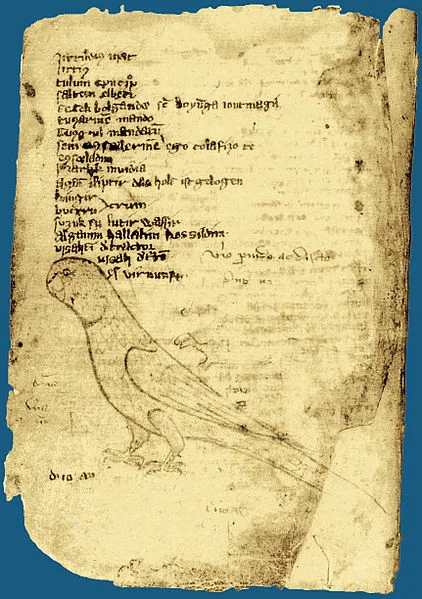
  • István Mándoky Kongur, A kun nyelv magyarországi emlékei, Karcag 1993.
  • Nora Berend, At the Gate of Christendom: Jews, Muslims and “Pagans” in Medieval Hungary, Cambridge 2001.

Nearby entries

Publications mentioning “Cumans of Hungary (Kuns) — overview”

The Kipchak World

Cuman-Kipchak Traces in Wallachia and Moldavia

From the eleventh century until the Mongol invasion, the Wallachian plain and southern Moldavia were called “Cumania” in Latin sources. Drawing on the documents of the Milcov bishopric, the Turkic name of the Basarab dynasty, place names and archaeological finds, this article sets out the Cuman legacy of these lands as far as the sources show it.

Kıpçaklar Yayın Kurulu 11 min 2
Origins and Identity

On the Ethnonyms of the Kipchak Tribal Unions in the Western Dasht-i Kipchak at the Beginning of the 12th–13th Centuries

This is the Turkish translation of an article by the Kazakh historian B. E. Kumekov, published in Russian in 1993. Drawing on the lists in Arabic sources such as al-Nuwayri, Ibn Khaldun, Ibn Duqmaq and al-Dimashqi, it offers a comparative reading of the names of the 11 tribes that made up the Kipchak tribal union of the Western Dasht-i Kipchak (west of the Itil/Volga) in the 12th and early 13th centuries…

B. E. Kumekov 2001 2 min
The Kipchak World

Oghuz and Kipchak Settlement in the Eastern Black Sea in the Middle Ages

The article discusses medieval Oghuz and Kipchak settlement in the Eastern Black Sea section (Artvin–Samsun) through ancient sources, the Seljuk–Danishmendid period, the Kipchaks who came via Georgia, migrations after the Mongol invasion, and place names and dialects. That the Christian population of the region was not solely of Greek origin…

Mehmet Özmenli 2016 2 min