Who Were the Kipchaks? The Origins of the Name and the People
The Russians called them Polovtsians, the Byzantines Cumans, the Hungarians Kun. Where did the steppe people behind these names come from, and what did "Kipchak" mean?
Place
Other names: Crimean Peninsula, Taurica, Taurika, Krym, Kırım, Kırım Yarımadası, Solkhat, Solhat
The peninsula north of the Black Sea; the southern tip of the Kipchak steppe and its gateway to maritime trade. It played a central role in the formation of the Turkic-speaking population of the Kipchaks, then of the Golden Horde and the Crimean Khanate.
From the 11th century onward the northern steppes of Crimea were part of the Kipchak pastures, while ports on the southern coast such as Sudak were frequented by Byzantine, Genoese and Venetian merchants.
In the Mongol period Solkhat (Eski Kırım, Old Crimea) became the regional centre of the Golden Horde. A significant part of the language of the Crimean Tatars is based on Turkic of the Kipchak group.
The Russians called them Polovtsians, the Byzantines Cumans, the Hungarians Kun. Where did the steppe people behind these names come from, and what did "Kipchak" mean?
The Crimean Turks and Tatars, speakers of the western branch of Kipchak Turkic, migrated in waves to Ottoman lands after 1783. The phases of the migration, the deportations and the Crimean settlements in Turkey, in the light of Müstecib Ülküsal's testimony and the historical literature.
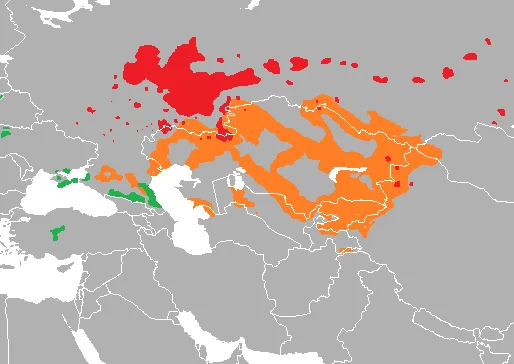
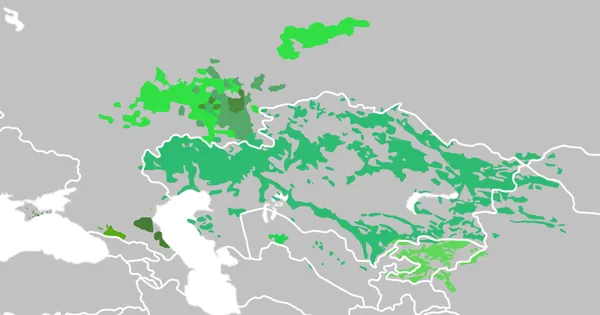
Kipchak Turkic is an important branch of the Turkic languages. Kipchak Turkic is divided into groups within itself. About 30 million people speak one of the languages belonging to the Kipchak language group. The regions where Kipchak Turkic is spoken are, above all, Europe, Northern and Central Asia, the Caucasus, Siberia and Crimea…
Mamluk Kipchak is also called Kipchak Turkic in Arabic script or Egyptian-Syrian Kipchak. It is a dead Turkic language belonging to Old Kipchak, used in the Mamluk state in Egypt and Syria from the mid-thirteenth century to the end of the fifteenth century. The great majority of the works in Old Kipchak Turkic…
Like other Turks, the Kipchaks had adopted Tengrism, the belief in the Sky God. The Sky God belief was not only the first belief of the Turks but also their most widespread belief before their conversion to Islam. Besides the worship of Tengri, animism and totemism form the main outlines of this belief…
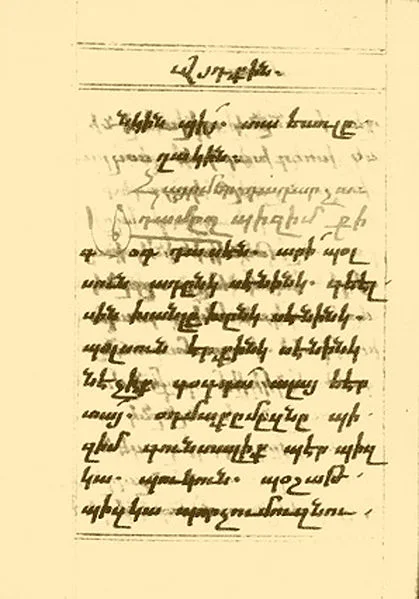
Old Kipchak is one of the most important dialects of the Turkic family belonging to the Middle Turkic period. It is divided into three main branches: Cuman (Steppe Kipchak), Mamluk Kipchak (Kipchak in Arabic script) and Armeno-Kipchak (Kipchak in Armenian script). It was used between the thirteenth and seventeenth centuries and later…
Contemporary Kipchak is divided into four main branches: Northern Kipchak, Western Kipchak, Eastern Kipchak and Kyrgyz-Altai Kipchak. Contemporary Kipchak has been in use since the seventeenth century. Today about 30 million people speak one of the languages of this group.
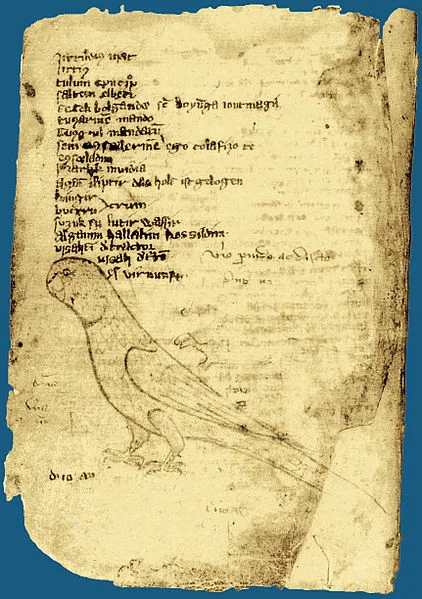
A manuscript kept in Venice is the richest surviving witness to the Cuman language spoken on the Black Sea coast seven hundred years ago.
A geography named after a people: where did the Dasht-i Kipchak begin and end, and what was life like on this boundless steppe?
Young Kipchaks sold as slaves from Black Sea ports became sultans in Egypt and stopped the Mongols at Ayn Jalut.
When Kumekov's eleven-tribe list of the Western Kipchaks is set beside Kıldıroğlu's findings on the Chortan tribe, it becomes clearer by which routes Kipchak tribal names reached Anatolia and where they left their traces.
From the eleventh century until the Mongol invasion, the Wallachian plain and southern Moldavia were called “Cumania” in Latin sources. Drawing on the documents of the Milcov bishopric, the Turkic name of the Basarab dynasty, place names and archaeological finds, this article sets out the Cuman legacy of these lands as far as the sources show it.
The article traces the settlement, from the Altai to Anatolia, of the Çortan tribe (Cordan/Curtan; Yortan/Yordan in Oghuz speech), one of the tribes of the Western Dasht-i Kipchak. It argues that the name means 'pike (fish)' in Cuman and many Turkic languages, that the tribe may be a remnant of the Kimeks, and that among the Kipchaks brought to Georgia by David II…
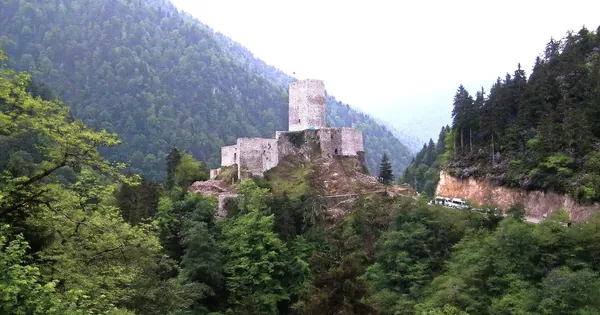
The article discusses medieval Oghuz and Kipchak settlement in the Eastern Black Sea section (Artvin–Samsun) through ancient sources, the Seljuk–Danishmendid period, the Kipchaks who came via Georgia, migrations after the Mongol invasion, and place names and dialects. That the Christian population of the region was not solely of Greek origin…