Community

Nogais

Other names: Nogays, Noghais, Nogaylar, Nogay Türkleri, Ногайлар

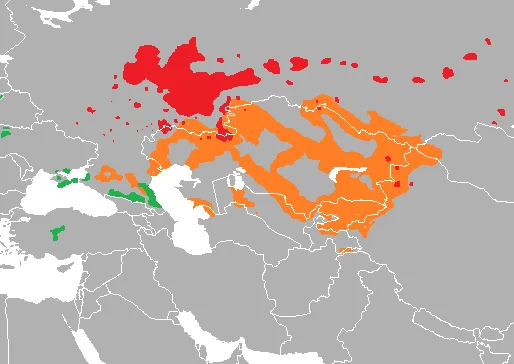
Nogai, together with Kazakh and Karakalpak, belongs to the Kipchak-Nogai sub-branch. Russia’s 2021 census counted about 109 thousand Nogais; they are most numerous in the Nogai steppe in northern Dagestan.

Open on the live map

The Nogais take their name from Nogai, a 13th-century Golden Horde commander, and from the Nogai Horde, which ruled between the Itil (Volga) and the Yaik (Ural) in the 15th–17th centuries. In Baskakov’s classification their language belongs to the Kipchak-Nogai subgroup. Among the Nogai tribes there are names shared with Kazakh and Karakalpak tribal names, such as Mangyt, Kipchak, Naiman and Kenegez.

According to Rosstat’s 2021 census there are about 109 thousand Nogais in Russia; about 37 thousand of them live in Dagestan (the Nogai district and its surroundings), the rest in Stavropol, Karachay-Cherkessia (Nogai district), Chechnya and Astrakhan. The registration of some Nogais in Astrakhan as “Tatar” in the census makes their numbers debatable.

After the Crimean War (1853–1856), large Nogai communities migrated to Ottoman territory (see “The Nogais in Turkey”).

Sources

Nearby entries

Publications mentioning “Nogais”

Language and Literature

Contemporary Kipchak Languages

Contemporary Kipchak is divided into four main branches: Northern Kipchak, Western Kipchak, Eastern Kipchak and Kyrgyz-Altai Kipchak. Contemporary Kipchak has been in use since the seventeenth century. Today about 30 million people speak one of the languages of this group.

Emre Emir 16 min 3